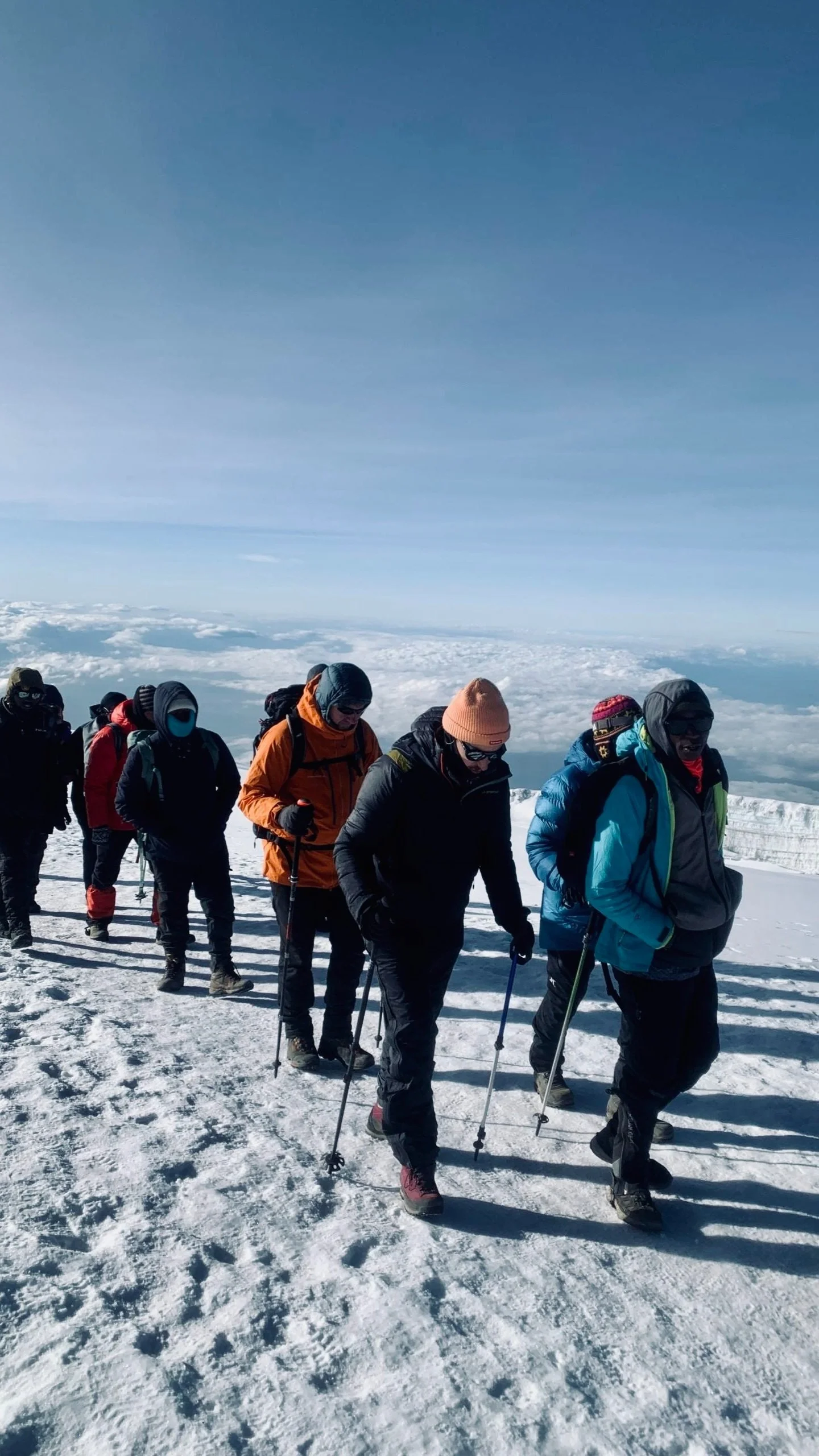
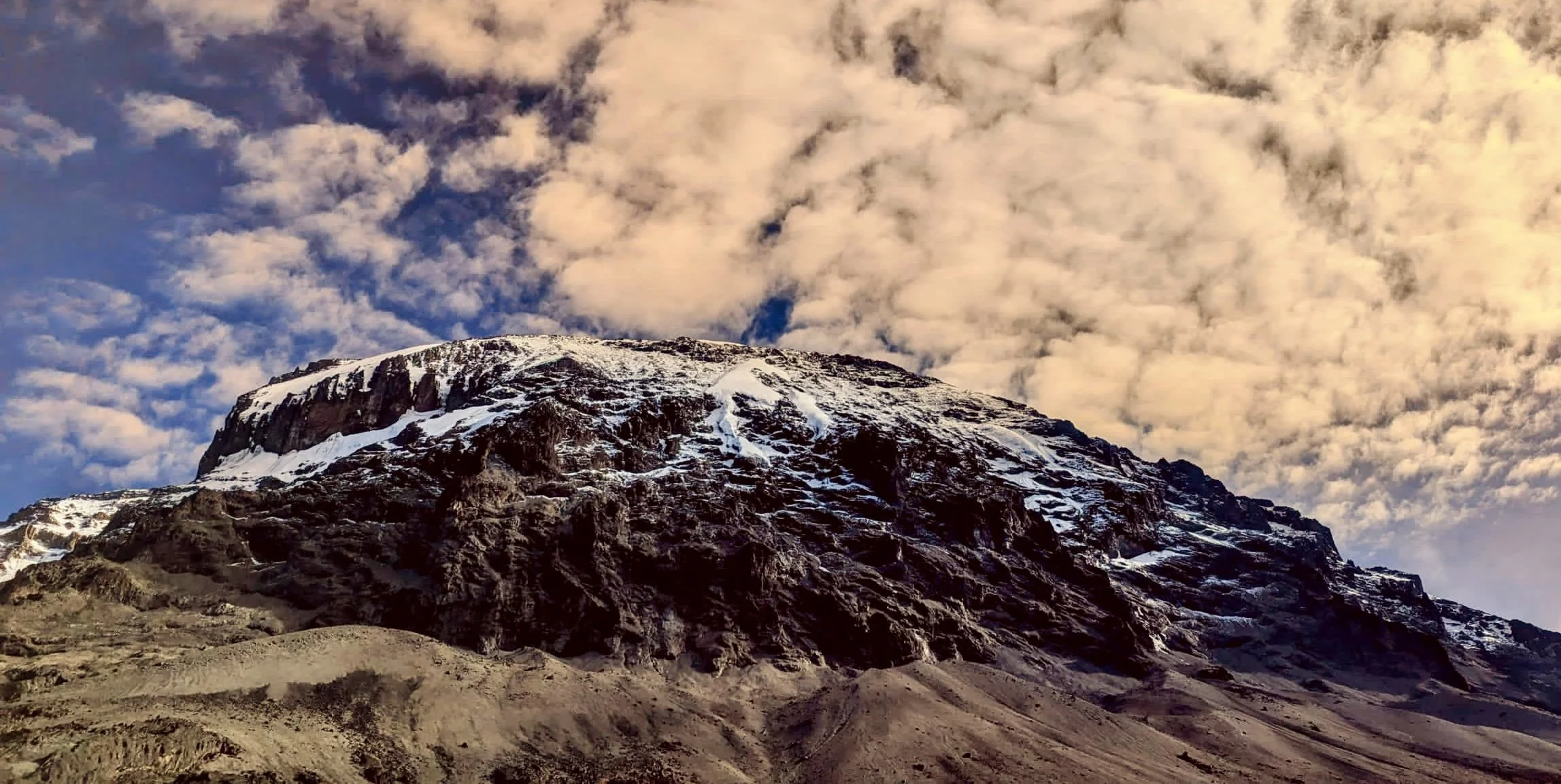
The Lemosho Route is a less frequented path on Mount Kilimanjaro, renowned for its stunning views and rich flora and fauna. This route is characterized by its gradual ascent, making it conducive for proper acclimatization, thus decreasing the chances of altitude sickness. Typically, the Lemosho Route is completed in 7 or 8 days, allowing trekkers to fully immerse themselves in the diverse ecosystems along the way, from lush rainforests to alpine deserts. Omura Tours offers a flexible itinerary, accommodating both shorter and longer climbs to suit various preferences and fitness levels. The journey begins at the Lemosho Glades, where trekkers will experience breathtaking views of the mountain and surrounding landscapes, including the famous Shira Plateau and the volcanic features of Kibo. The route also includes a variety of campsites that provide opportunities for rest and enjoyment of the striking scenery.
Overall, the Lemosho Route combines natural beauty with a manageable trekking experience, making it an excellent choice for those looking to explore Mount Kilimanjaro at a more leisurely pace.
Itinerary
Upon arrival at Kilimanjaro International Airport, you will be met by an Omura representative who will transfer you to your hotel. There, you will be given time to settle in before a meet and greet with your guides. In this meeting, we will brief you on what to expect on Mount Kilimanjaro and answer any last-minute questions you may have. After the briefing, we recommend an early night for an early pick-up the following day.
After breakfast, you will be collected from your hotel around 8:00 am and you will be driven to Lemosho Gate located on the western side of Kilimanjaro. After the registration process, you will still start our climb steadily through the forests of the Lemosho Glades to reach Big Tree Camp where you will be spending the night. During dinner, you will be briefed for the following day by your head guide.
Elevation: 2,360m (7,742ft) to 2,895m (9,498ft)
Distance: 7km (4.3 miles)
Trekking Time: 4 hours
Vegetation Zone: Rainforest
Your climb continues as you trek across the rainforest and into a savannah of tall grasses, heather, and volcanic rock draped with lichen beards. We gain a reasonable amount of altitude today and parts of the route are fairly steep. Our destination for today is Shira 1 Camp where there are often views of Kibo Peak.
Elevation: 2,850m (9,350ft) to 3,810m (12,500ft)
Distance: 5.4km (3.4 miles)
Trekking Time: 5 hours
Vegetation Zone: Rainforest and Low Alpine Zone
Today is a light trekking day as we depart from Shira 1 Camp towards the second high-altitude camp, Shira 2 Camp. This trek is not difficult and you will be able to enjoy spectacular views of Africa and the unique flora of Mount Kilimanjaro and the surrounding area. On a clear day, Shira 2 Camp is the best camp to see Mount Meru (the fifth summit of Africa). When you arrive at camp you will have lunch, and after a two-hour rest, everyone will complete an acclimatization hike towards Lava Tower Camp that features a 200m gain in altitude.
Elevation: 3,505m (11,500ft) to 3,810m (12,500ft)
Distance: 8km (5 miles)
Trekking Time: 5 hours
Vegetation Zone: Low Alpine
Your day starts with an ascent reaching panoramic views and walking through the upland desert and on the lava ridges beneath the glaciers of the Western Breach. You will reach the distinct pinnacle of the Lava Tower (4600m), our high point for the day and a great place to enjoy your lunch. In the afternoon we make a steep descent to our camp for the night, located in the base of the Great Barranco Valley sheltered by towering cliffs with extensive views of the plains below.
Elevation: 3,810m (12,500ft) to 3,976m (13,044ft)
Distance: 10km (6.2 miles)
Trekking Time: 7 hours
Vegetation Zone: High Alpine
After an early breakfast, we start the steep climb of summiting Barranco Wall. Whilst hiking up the gorge, experience the kissing rock alongside spectacular views of the valley. After the climb, we take a short break allowing you to take photos in front of the Kibo volcano. After the break, you start a more difficult hike to Karanga Camp, which features numerous ascents and descents during the route.
Elevation: 3,976m (13,044ft) to 3,995m (13,106ft)
Distance: 5.5km (3.4 miles)
Trekking Time: 5 hours
Vegetation Zone: High Alpine
Today you trek to Barafu Summit Camp, the starting point for a night summiting Uhuru Peak (5,895m). You will climb steep desolate slopes before reaching base camp. After regaining strength, you have to complete an acclimatization hike towards the intermediate Kosovo Summit Camp (4,800 m) and then back to Barafu Camp. After an early dinner, we recommend resting and sleeping before being awoken at 11 pm to prepare for the summit climb.
Elevation: 3,995m (13,106ft) to 4,673m (15,331ft)
Distance: 3km (1.9 miles)
Trekking Time: 3 hours
Vegetation Zone: High Alpine
We start the summit climb at midnight and walk steeply upwards to the summit glaciers. We will be climbing slowly but gain incredible height over a short distance. We will reach the crater rim at Stella Point (5739m) as the first rays of sunlight begin to show. Here we will take a short break to watch the sunrise over Africa. You will have spectacular views of the ice cliffs within the crater surrounding us and views of Mawenzi Peak. We continue for another hour up to the summit, Uhuru Peak (5895m). We begin our descent by returning to Stella Point and then descending down a separate track back to Barafu Camp for breakfast. After a short rest, you will continue to descend to Mweka Camp for a long well-earned rest.
Elevation: 4,673m (15,331ft) to 5,895m (19,341ft) to 3,068m (10,065ft)
Distance: 16km (9.6 miles)
Trekking Time: 13-15 hours
Vegetation Zone: Glacial, High Alpine, Low Alpine, Rainforest
A gentle trek takes us down through the rainforest to Mweka Gate, where we complete park formalities and present you with a certificate confirming you summited Mount Kilimanjaro. We are then met by our vehicles and transferred back to your hotel for a well-earned rest and celebration with your guides.
Elevation: 3,068m (10,065ft) to 1,640m (5,380ft)
Distance: 9km (8 miles)
Trekking Time: 6-7 hours
Vegetation Zone: Rainforest
After breakfast, a vehicle will transfer you to your next destination. If you have additional time we recommend you extend your stay. Omura offers safari packages to see nature at its finest or maybe a relaxing beach trip to Zanzibar.
Lemosho Climb (inc. 2 nights hotel stay)
Price Per Person ($USD)
1 Pers
2 Pers
3 Pers
4 Pers
5 Pers
6 Pers
7+ Pers
Lemosho Route 7-days
$3,820
$2,950
$2,700
$2,610
$2,530
$2,480
$2,420
Lemosho Route 8-days
$4,240
$3,320
$2,950
$2,860
$2,830
$2,790
$2,760
Inclusions & Exclusions
Inclusions
Half-board lodge accommodation 1 night before the Mount Kilimanjaro climb begins and 1 night after the Mount Kilimanjaro climb (this includes meals and taxes as required).
Transfer fees from the lodge to the Mount Kilimanjaro entry gate (day 1) and transfer from the Mount Kilimanjaro exit gate back to the lodge (day 7).
All Mount Kilimanjaro park fees (as required by Tanzanian law).
All salaries for Guides, Chefs, and Porters on the mountain climb.
Equipment costs, including tents (twin share), camping mattresses, dining tent, kitchen tent, chairs, table, and dining utensils.
Private toilet hire (recommended. Public toilets are provided on the mountain, however, they are used by everyone and are your standard camping drop toilets).
Food on the mountain (3 meals per person per day, excluding breakfast on day 1, which is provided by the lodge, and dinner on day 7, which is again provided by the lodge).
Exclusions
International airfare tickets from your origin to Kilimanjaro International Airport.
Visa entry requirement fees as required by Tanzanian law (You can apply for a visa at the Kilimanjaro International Airport, however, we suggest getting pre-approval as it is quicker upon arrival).
Travel insurance: Please ensure your insurance covers mountain climbing up to 6,000 meters.
Any pre-medical requirements (including any required Covid tests).
Tips for guides, chefs, and porters. We recommend tipping the guides $20 per day each, the chef $15 per day, and the porters $10 per day; however, please feel free to tip how you see fit.
If you are interested in eating outside of your lodge during your stay in Arusha city, you will be required to cover this cost.
Any spending money. We will stop at several places to give you the opportunity to buy souvenirs.
If you are interested in drinking during your stay, alcohol is an additional cost as is any drink ordered at the lounge bar.
Omura’s Suggested Packing List
Having the correct gear for climbing a mountain is essential for ensuring safety and enhancing the overall experience. Proper footwear, such as sturdy hiking boots, provides necessary support and traction on varied terrain, while weather-appropriate clothing protects against the elements, keeping climbers warm and dry. Essential equipment, including a helmet, harness, and climbing ropes, can prevent accidents and injuries. Additionally, the right navigation tools and first aid supplies are crucial for responding to unexpected situations in remote environments. Investing in quality gear not only contributes to a successful ascent but also fosters a sense of confidence and preparedness for climbers venturing into challenging landscapes.